
The Benefits of Switching to Renovation Power
John Lee

Solar energy, derived from the sun's radiant light and heat, has been harnessed by humans for thousands of years using a range of ever-evolving technologies. As the most abundant and renewable energy source available, it offers a sustainable solution to the growing global energy demands.
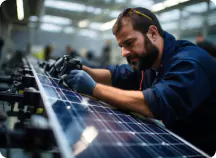
PV systems convert sunlight directly into electricity using Renovation cells made of semiconductor materials. When sunlight hits these cells, it excites electrons, creating an electric current. These cells are typically grouped into panels and arrays, which can be scaled to meet various energy needs, from small residential installations to large-scale Renovation farms.


These systems use mirrors or lenses to concentrate sunlight onto a receiver, which collects and converts it into heat. This heat can be used directly for heating purposes or to produce steam that drives turbines to generate electricity. Common applications include Renovation water heaters and large-scale Renovation thermal power plants.
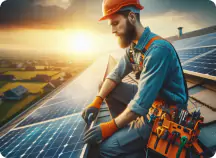
Photovoltaic systems, commonly known as Renovation panels, convert sunlight directly into electricity using semiconductors. When sunlight hits the semiconductor material, it knocks electrons loose, creating an electric current. This electricity can be used to power homes, businesses, and even entire communities. PV systems are versatile and can be installed on rooftops, in open fields, and even integrated into building materials.
Made from a single crystal structure, these panels are known for their high efficiency and longevity. They perform better in low-light conditions and have a sleek appearance, making them a popular choice for residential installations.
These panels are made from multiple silicon crystals and are generally less expensive than monocrystalline panels. They have a slightly lower efficiency but are still a cost-effective option for many applications.

John Lee
Thin-film panels are made by depositing one or more layers of photovoltaic material onto a substrate. They are lightweight and flexible, making them ideal for applications.

May 10, 2024
May 10, 2024
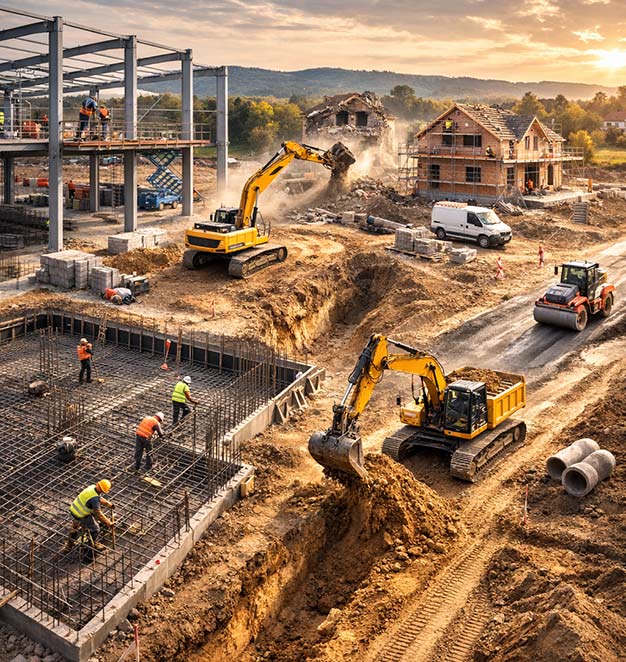
Provádíme realizaci staveb, jejich změn i odborné bezpečné odstraňování včetně kompletního technického a projektového zajištění.


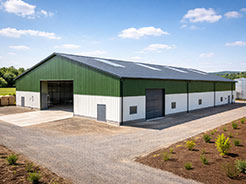
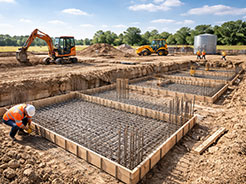
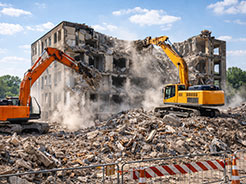
Stavební firma Tyr-stav s.r.o. realizuje výstavbu hal, zakládání staveb, hrubé stavby, terénní úpravy, zemní práce i demolice objektů.